See beyond the visit.
Make room for the patterns that emerge in everyday life, beyond a single appointment.
SWISSTEP · CONNECTING THE DAYS BETWEEN VISITS
Between visits, life tells a story.
PAtch is being developed to help care teams see it.
01 / A MORE CONTINUOUS PICTURE
How someone moves through their day can add context to what happens in the clinic. PAtch brings wearable sensing into that space—with less to ask of the person wearing it.
Make room for the patterns that emerge in everyday life, beyond a single appointment.
A wearable approach designed around daily routines, with less active input from the wearer.
Help researchers and care teams explore what changes over time, and what deserves a closer look.
02 / MEET PATCH
On the body. In the background. Connected to the people who care.
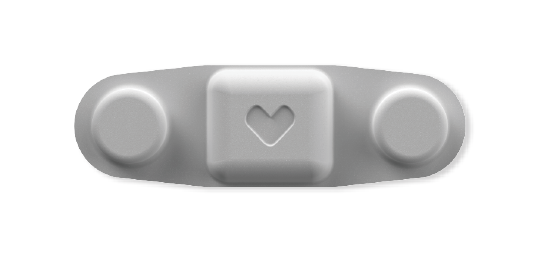
Follow day-to-day patterns, 24/7, 365 days a year.
A light, body-worn format designed for everyday routines.
Connected in the background. Patient engagement is optional, by choice.
Bring clinicians and caregivers into the picture, with the wearer’s permission.
Lasts for weeks without charging. Rechargeable and reusable.
Privacy and security by design. Consent and appropriate access guide development.
The patch gathers observations during everyday life.
The app brings observations together. Engagement is optional, at the patient’s choice.
Analysis turns patterns into clear calls to action: review a change, check in or plan follow-up.
Authorized care teams use insights to guide the next steps in care.
VivaLink is our development partner, providing the wearable sensing technology at the heart of PAtch. PAtch remains in development, with clinical use subject to validation and applicable regulatory requirements.
03 / FROM MOVEMENT TO INSIGHT
PAtch brings wearable sensing and movement analysis together to provide insights and clear calls to action for clinicians and the people they care for.
FROM A PATTERN TO A NEXT STEP
Illustrative alerts and notifications. Example messages show how PAtch could support clinicians, patients and families; they are not live patient alerts.
Recent movement differs from the person’s usual pattern. Review the trend and decide whether to arrange a balance assessment.
This illustrative trend shows increasing variation over several days. Review recording quality and the person’s context before deciding on follow-up.
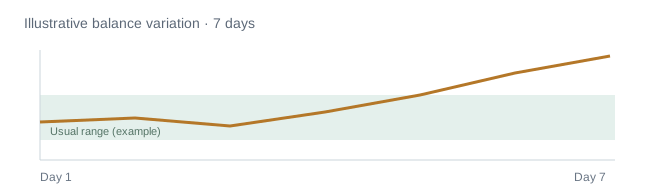
Movement has changed substantially from the usual pattern. Contact the patient and assess the need for prompt clinical review.
Illustrative notification. Confirm recording quality, symptoms and clinical context before deciding how to respond.
A sustained change may be worth a conversation. Contact the patient to understand what has changed and agree on the next step.
Ask how the person is feeling, whether their routine has changed and whether they have noticed new difficulties. Agree on any next steps together.
Movement patterns are improving. Assess the patient against the clinical discharge criteria and plan support after hospitalization.
Confirm clinical stability, functional ability and support needs. The treating team decides whether discharge is appropriate; this example does not determine readiness on its own.
PAtch is a SwisStep AG system in development, built around a reusable VivaLink sensor held in place by a sticky patch that simply attaches to the thigh. It brings observations from everyday movement into a connected picture over time.
The companion app brings recordings together, with patient engagement optional. Analysis looks at walking cycles, movement consistency and balance-related patterns to support clear next steps.
The aim is to help clinicians identify changes worth following up, compare observations over time and discuss next steps. Patients and families can share in that picture with the wearer’s consent.
Illustrative PAtch views from the development interface. These examples show how information can be presented; they are not clinical conclusions.
Three views bring forward–backward, up–down and side-to-side movement into one picture, making patterns across the walking cycle easier to explore.
Changes in movement and tilt can flag balance patterns worth assessing. Clinicians use this context to decide whether a balance assessment or follow-up is needed.
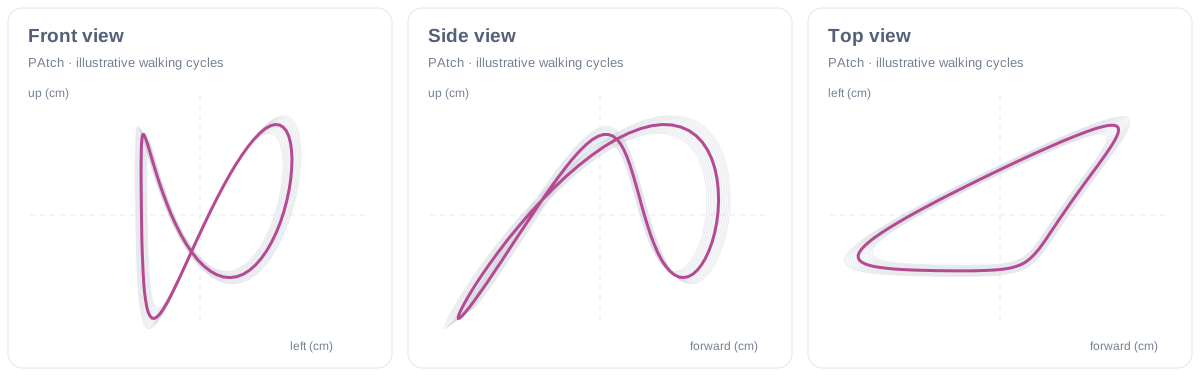
Front, side and top views help clinicians see movement consistency across strides. Illustrative PAtch-only curves adapted from the development mockup.
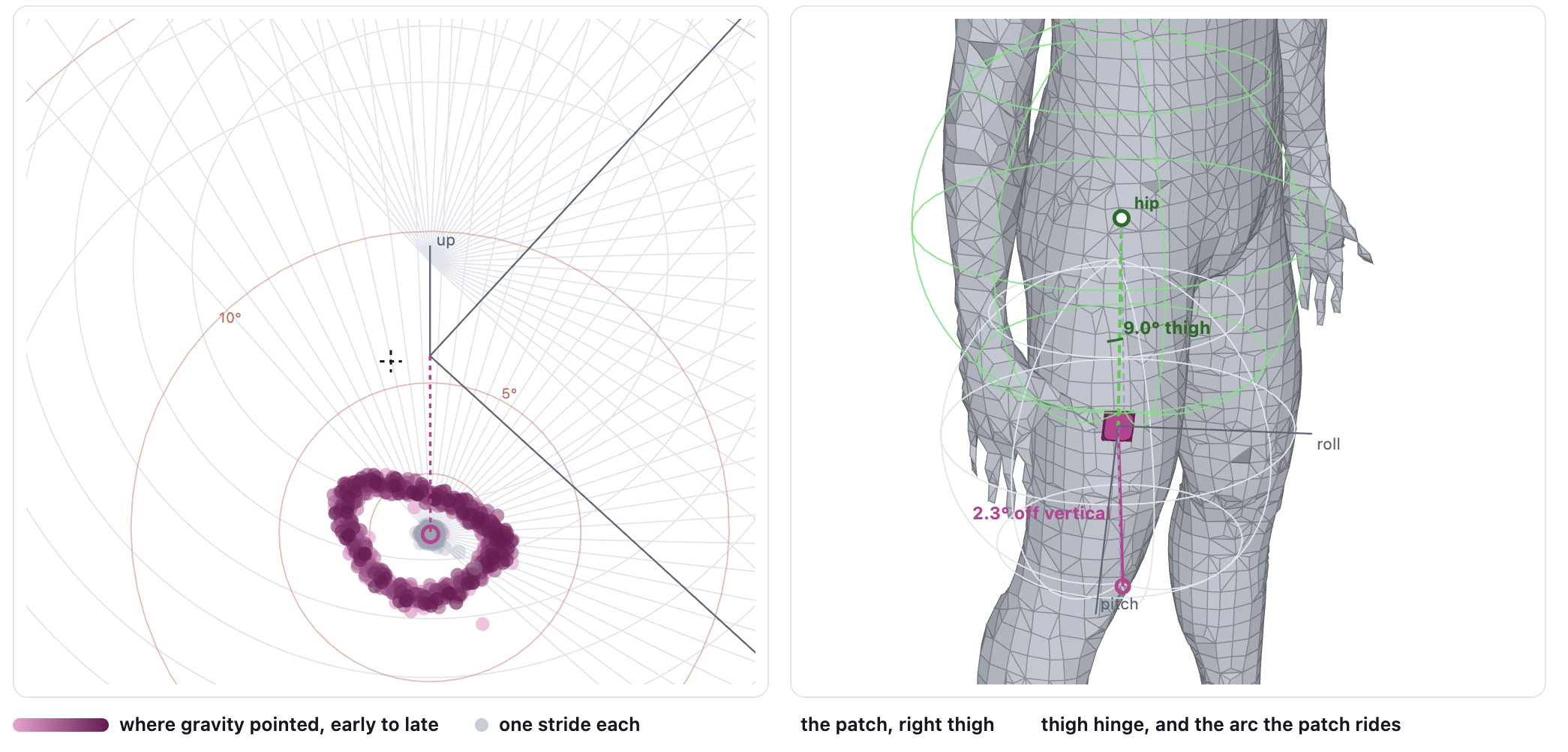
Illustrative gyro-position and body views from the development mockup, showing the patch on the thigh and the angles derived from movement.
Designed to support clinical judgment: a change in a chart is a reason to look closer, not a diagnosis. Features and clinical usefulness remain under development and validation.
04 / BUILT THROUGH RESEARCH
We welcome researchers, trial sponsors and clinical teams exploring what continuous observation can contribute to care.
SwisStep AG is developing PAtch through work on sensing, interpretation and practical use. Collaboration helps connect those questions to the realities of patients, study teams and clinical practice.
Explore working together ↗
Explore longitudinal observation, study feasibility and outcomes that matter beyond the clinic.
Help shape how everyday observations could become useful context for care teams.
Discuss research programmes and grant collaborations aligned with PAtch’s development.
05 / A CLEAR VIEW OF THE WORK
PAtch is in development. This website introduces the approach and invites research conversations. It does not present validated clinical outcomes or a commercially available diagnostic service.
We welcome conversations with care providers and payers about how remote observation might fit into care pathways. Eligibility for RPM or RTM reimbursement has not been established here and would need to be assessed for the specific service and market.
The intended approach gives wearers a role in deciding who can access their information. Consent, data handling and clinical workflows are subjects for product development and evaluation.
06 / PARTNERS & ACKNOWLEDGMENTS

We thank VivaLink for their support.
PAtch builds on VivaLink’s wearable sensing technology. Product imagery is provided by VivaLink.

07 / LET’S CONNECT
For research partnerships, clinical studies and funding collaborations, let’s start with the question you want to explore.
Research & collaboration
Open contact form ↗Tell us about your research or collaboration idea.